The atom-array quantum computing joint team, formed by the Institute for Advanced Study and the Department of Physics at Tsinghua University together with Qosmos Technology(Beijing) Co., Ltd., operates through a closely integrated “three-pillar” model: the cold-atom theory group at the Institute for Advanced Study leads the theoretical work, experimental groups in the Department of Physics carry out the experimental research, and Qosmos is responsible for industrial translation and commercialization. Through close collaboration, the joint team has achieved a series of representative results:
1.Efficient Rearrangement Algorithms for Atom Arrays and Their Experimental Realization
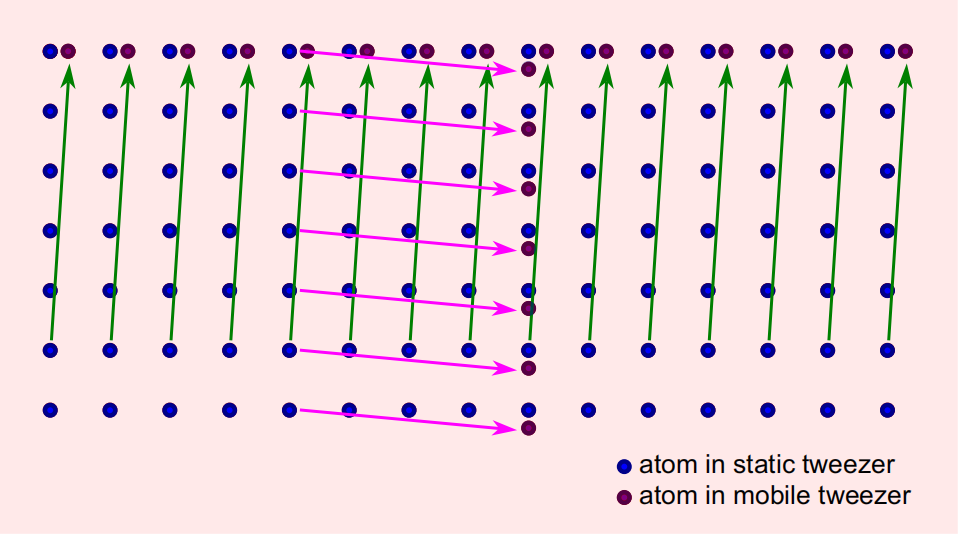
The efficient assembly of defect-free atom arrays is a key step toward reliable qubit initialization in atom-array quantum computing. This work developed and experimentally realized fast atom-rearrangement algorithms, providing an important tool for efficient qubit initialization. The result has received strong recognition from international peers, including the Harvard–MIT team.
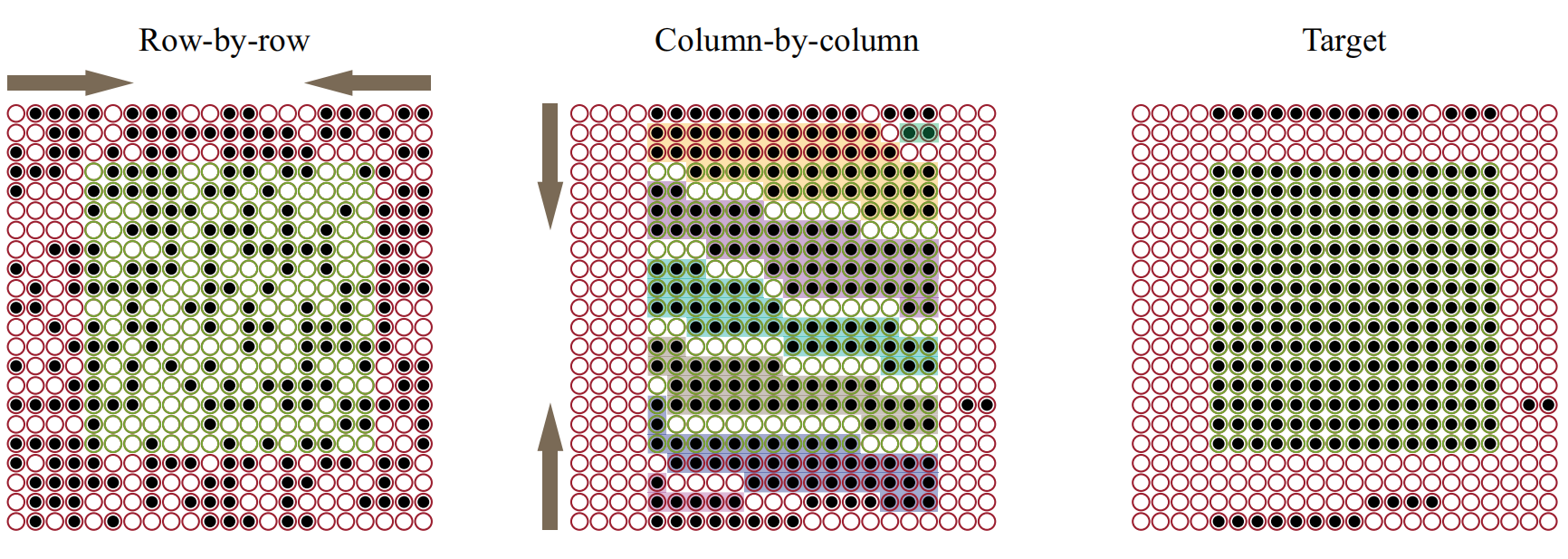
Publication: Physical Reviews Applied 19, 054032 (2023)
2.Large-Scale Optical Tweezer Arrays Projected by Optical Metasurfaces
The number of qubits is one of the most important indicators of the performance of a quantum computer. This work developed a large-scale optical tweezer array projection technique based on optical metasurfaces, providing key technological support for scaling atom-array quantum computing to the 10000-qubit level.
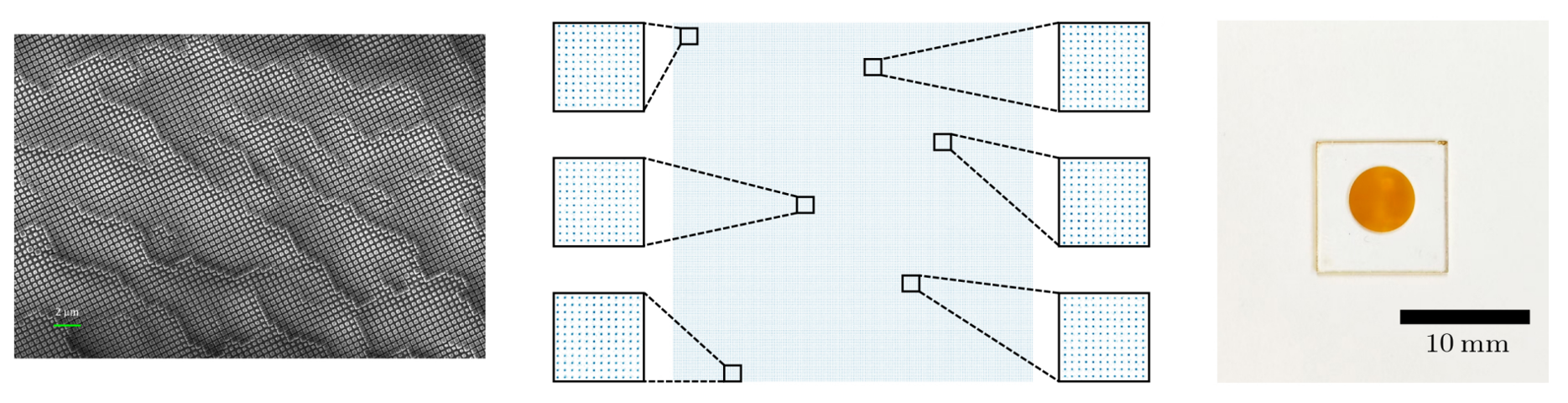
Publication: Chinese Physics Letters 43, 010606 (2026)
3.Principles of Gauge-Theory Quantum Simulation with Atom Arrays
Gauge theory is one of the most fundamental theoretical frameworks for understanding interactions in nature. This work systematically established the principles for simulating gauge theories using Rydberg interactions in atom arrays, promoting atom-array quantum simulation as a new platform for exploring gauge-theory physics.
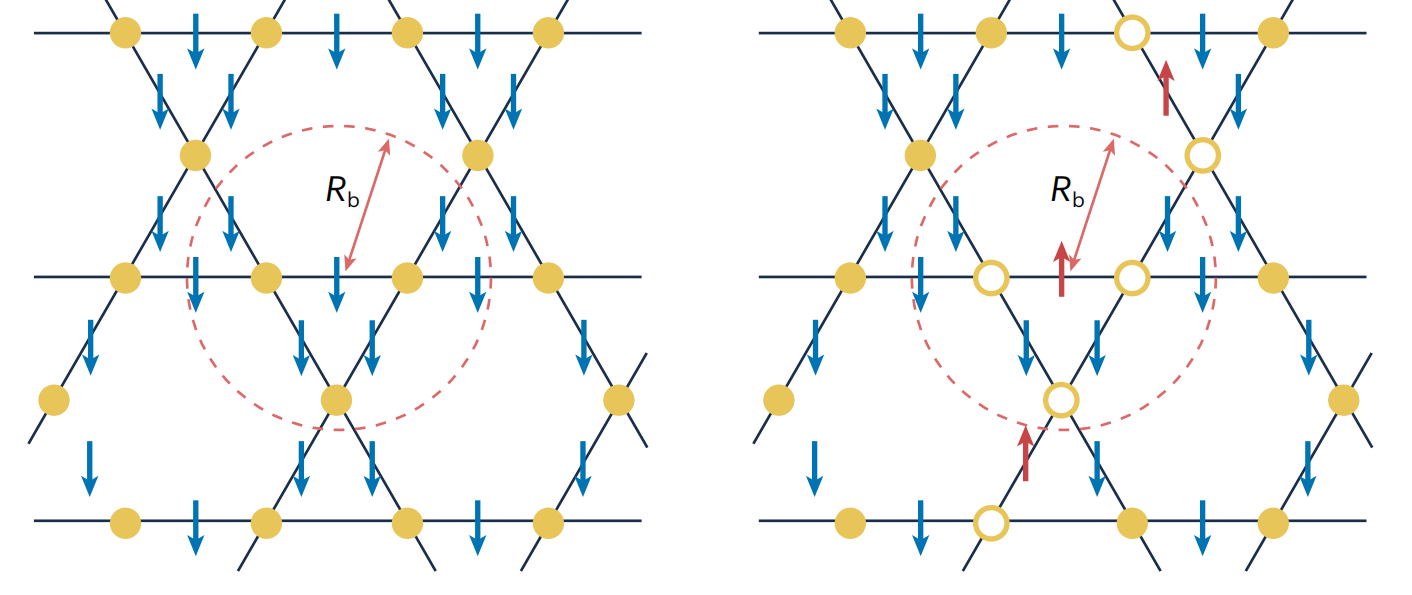
Publications: Nature Reviews Physics 6, 566 (2024); PRX Quantum 3, 040317 (2022); Physical Review Research 4, L032037 (2022)
4.New Theories and Experimental Realizations of Phase Transitions in Atom-Array Quantum Simulators
Phase transitions are among the most common and important physical phenomena in nature. This line of work proposed a method for realizing novel supersymmetric phase transitions in atom arrays, and proposed and experimentally demonstrated a new dynamical approach for probing critical behavior in phase transitions, enriching our understanding of quantum critical phenomena.
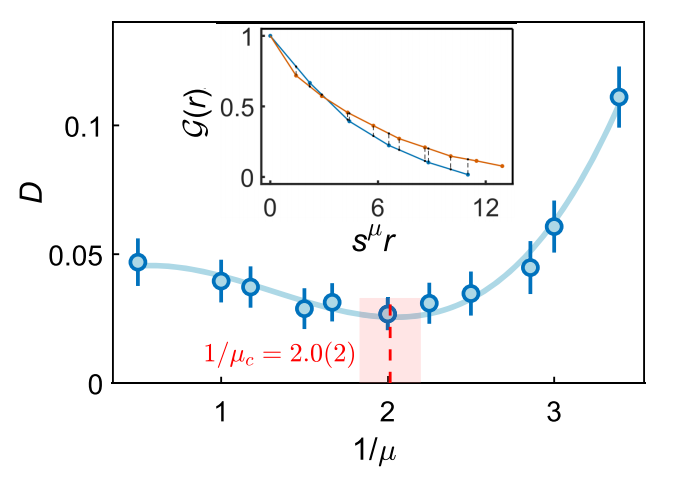
Publications: Physical Review Letters 135, 093403 (2025); Physical Review Letters 133, 223401 (2024); Nature Communications 16, 10584 (2025)
5.New Methods for Implementing Logical Gate Operations in Atom-Array Quantum Computing
The realization of a universal and complete set of logical gates is a foundation for universal fault-tolerant quantum computing. This work proposed multiple methods that take full advantage of the unique features of atom-array platforms to implement complete logical gate operations, providing important guidance for the design of fault-tolerant quantum algorithms in atom-array quantum computing.
Publication: npj Quantum Information 10, 136 (2024)